A sincere guide to avoid regret, valued by Sangenjaya and Engraving Studio, established in 1970.
Introduction: Choosing a handmade workshop determines "lifetime satisfaction".
In recent years, workshops where people make their own rings have become increasingly popular; it is easy to find a stylish workshop on social networking sites, but when you start looking for one, you often hear people say, "They all look the same, and I don't know what to choose based on.
Wedding and engagement rings are special items that you will wear with your partner every day for decades to come. MITUBACI has been making rings in Sangenjaya since 1970, and from a professional standpoint, we will honestly share with you our "essential criteria for selecting a workshop" that is not influenced by trends.
Identify "who, where, and how it will be finished."
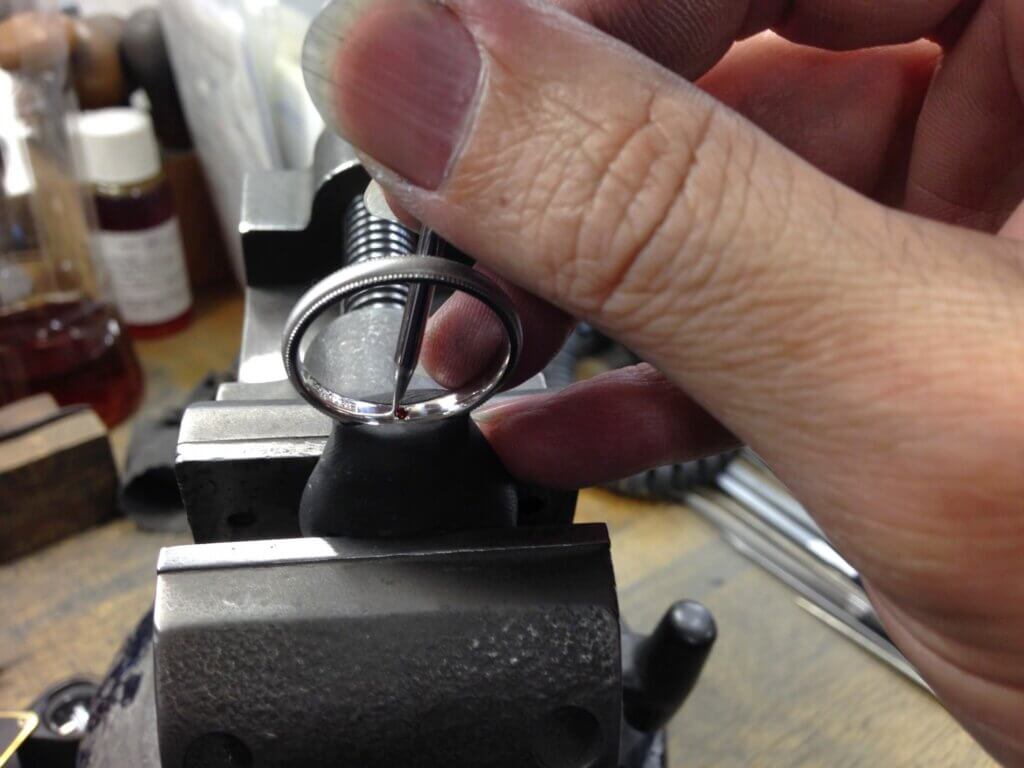
The most important aspect of a handmade ring is the "final refinishing" (professional finishing). The durability and beauty of the ring is determined by how a professional craftsman finally arranges the ring that the customer has put his/her heart and soul into shaping.
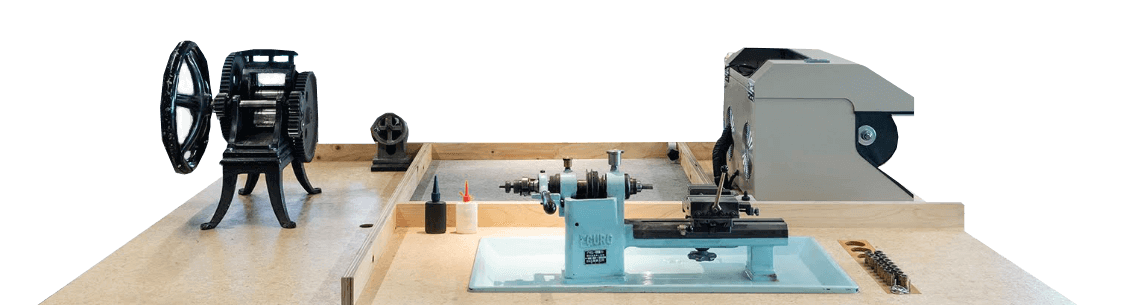
- Division of labor or integrated production? In many large handmade workshops, the "division of labor" system is common, with customer service staff providing guidance and finishing touches being done by a craftsman in a back room or shipped to an outside factory. However, an "engraving studio" like MITUBACI is an "integrated production" where a dedicated craftsman is in charge from start to finish right in front of you.
- The existence of "multi-skilled workers." A craftsman who has the skills to complete everything on the spot, from polishing to stone setting (diamond setting) and precise size adjustment, is called a "multi-skilled craftsman. A workshop where craftsmen of this level are close by one-on-one can flexibly accommodate sudden design changes during the production process and minute adjustments to fit the shape of the finger.
- A sense of security, a sense of live performance: You can see how your ring is being finished right in front of your eyes. This "face-to-face" environment is the greatest sense of security not found in factories with a division of labor system.
Forging process determines the life span of the product.
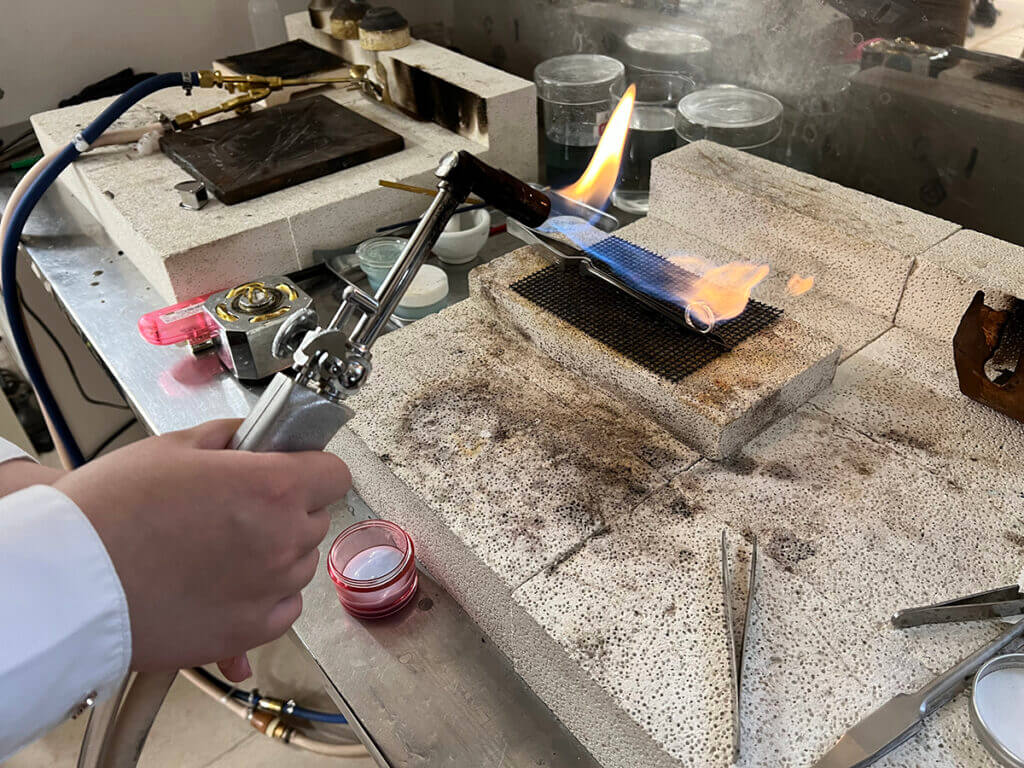
It is easy to choose a ring based solely on how pretty the design is, but what is essential for a lifetime item is its strength. There are two main currents in the way rings are made.
- Casting: A wax (wax) mold is made and melted metal is poured into the mold. Complex molding is possible. On the other hand, minute air bubbles tend to remain in the metal, increasing the risk of deformation and dislodging of the stone after years of use.
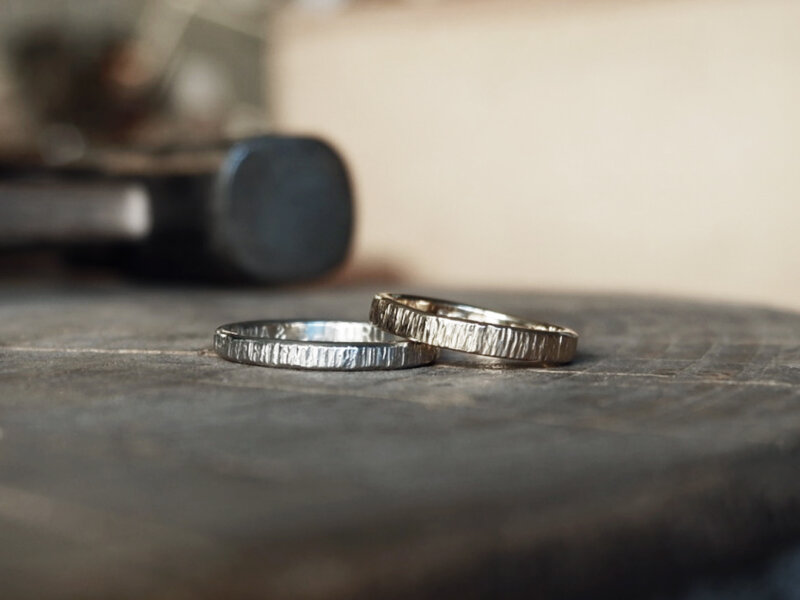
- Forging: This traditional Japanese process, in which a block of metal is placed in a fire and repeatedly beaten and pressurized to increase its density, is similar to the process used to make swords and is extremely tough. MITUBACI stubbornly maintains this process.
Because it is something you wear every day, it must be strong and not distorted.
With this perspective in mind, check to see if the workshop is capable of "forging" (tanzo), which is the process of making rings by beating. Choosing a ring that uses a solid base metal and is denser will also be a wise choice to reduce future repair costs.
After-sales service and "town-based" trust
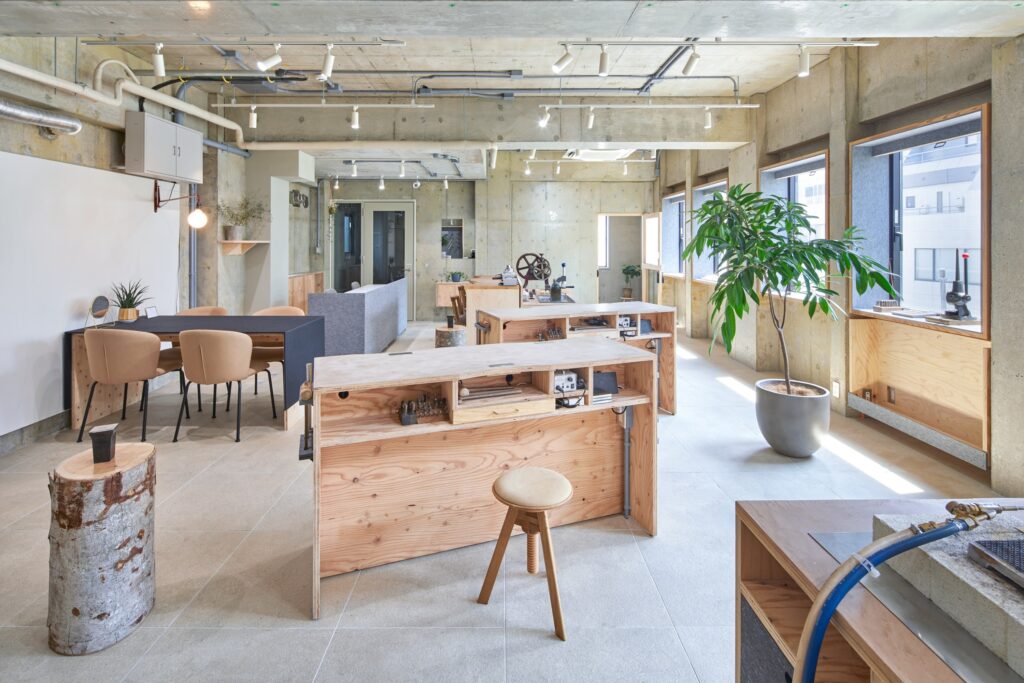
The day a ring is completed is the day it starts, so it is important to know how the workshop will respond when the ring changes size or needs maintenance 10 or 20 years from now.
- Convenience of mailed maintenance: If you are traveling or visiting from a distance, check to see if they accept maintenance by mail.
- The value of continuity in the workshop: The question of whether the workshop will still be around 10 years from now is a serious one in the after-sales care field, and a workshop that is rooted in the community and has a long history, like ours that has been with Sangenjaya since 1970, is a "guarantee" itself that promises future peace of mind.
- Unparalleled accessibility: Sangenjaya is also a very convenient base for sightseeing in Tokyo. Its location, just a minute's walk from the station, makes it easy to move on to sightseeing or dinner after the creation. The Setagaya Line runs through the area, and the mix of old and new culture makes every experience in this city even more valuable for your ring.
What Reunions Over 12 Years Can Teach Us
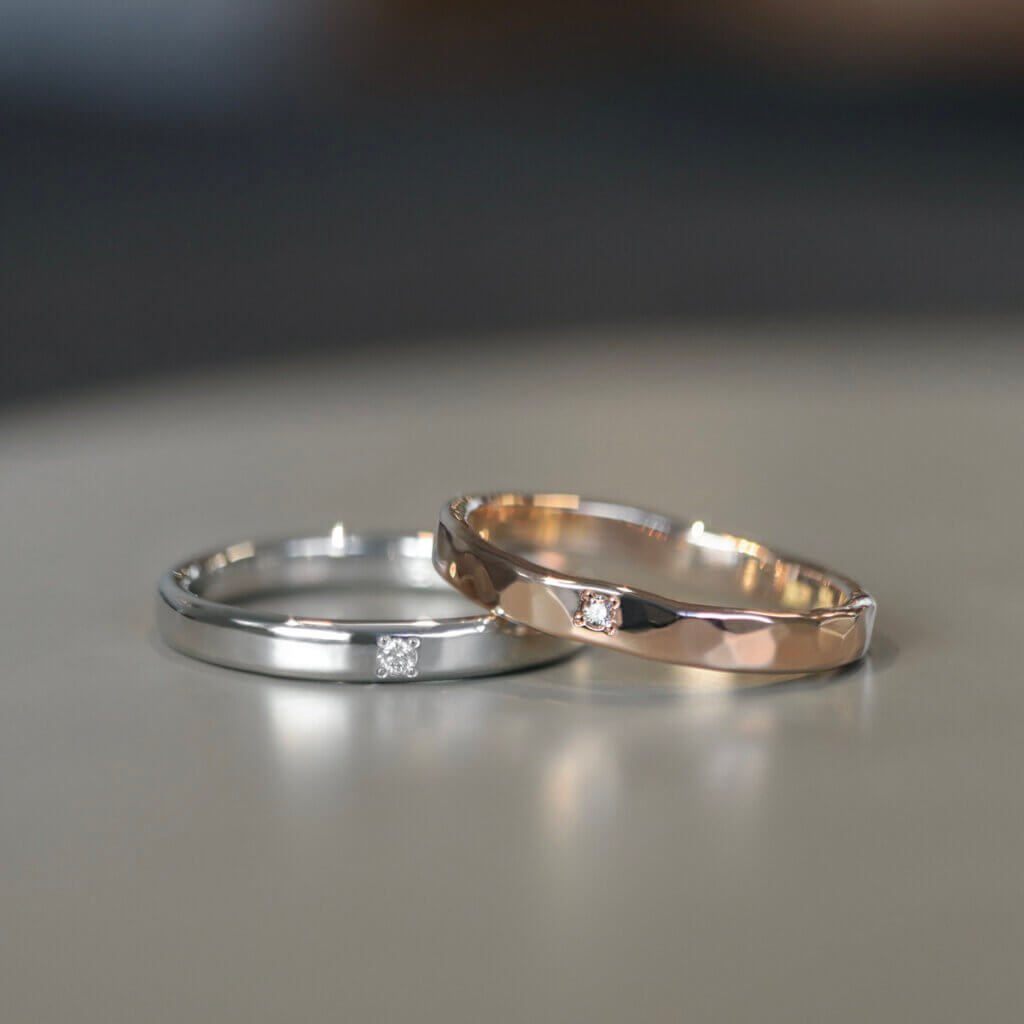
We recently received a request to resize a ring from a customer who had it made at our workshop 12 years ago. After the work was completed, the customer, who was very pleased with the new fit, said, "The size is perfect, it is shiny and polished, and I am filled with the same shine and color as when I first bought it. (I will wear it with great care for many years to come. We received a warm message from the customer saying, "I will wear it with great care for many years to come. We don't just make rings and that's it. We want to be there for our customers at every milestone in their lives and be a place they can always come back to. We believe that this "face-to-face relationship of trust" is the most important thing when choosing a workshop.
📊 Comparison Checklist for No Regrets
| Product Insights | General Fashion Workshop | MITUBACI TOKYO (Engraving studio) |
| Production Style | Division of labor (separate receptionist and craftsman) | Integrated production (by dedicated craftsmen) |
| Main manufacturing method | Casting (wax production) is the mainstream | Forging (forging by beating metal) |
| Time to completion | Weeks 〜1 month (delivery at a later date) | Same day (2〜3 hours to take out the same day) |
| Size Adjustment | Off-the-shelf base in increments of 1 | Fine adjustment of 0.5 (half size) possible |
| Distance from station | Mostly 5〜10 minutes on foot. | 1 minute walk from Sangenjaya Station |
| History & Trust | Many new entrants in recent years. | Long-established business in Sangenjaya since 1970 |
❓ Frequently Asked Questions (FAQ)
Q: Does handmade products lose quality compared to ready-made products?
A: In a full-fledged metal engraving studio like MITUBACI, skilled craftsmen perform the final finishing to professional standards, resulting in rings with metal density and brilliance that rival those of high brands. The "fun of making it ourselves" and "professional quality" can go hand in hand.
Q: I’d like to stop by during my Tokyo sightseeing trip. How far in advance should I make a reservation?
A: Weekends and holidays tend to fill up early, so we recommend making reservations as soon as you decide on a date. On weekdays, we may be able to offer same-day reservations, so please feel free to contact us for more information.
Q: Is the shop location easy to find?
A: Yes.Approximately 1 minute walk from Sangenjaya StationThe building is located just a short walk from the landmark Carrot Tower. The location is very close to the station, so even first-time visitors to the city will have no trouble finding their way around.
Q: I live far away, can I ask you to resize it at a later date?
A: Of course. Since our establishment in 1970, we have been providing a support system to ensure a lifetime of use of our products.
About the Author / Content Reviewer
Takashi Fujimori
CEO of MITUBACI TOKYO
Inherited the metal engraving studio established in Sangenjaya in 1970. Combining Italian experience with Japanese craftsmanship, the company proposes experiential jewelry that combines "honest prices" with "quality that will last a lifetime. From the town of Sangenjaya, the company transmits to the world genuine values that are not influenced by trends.