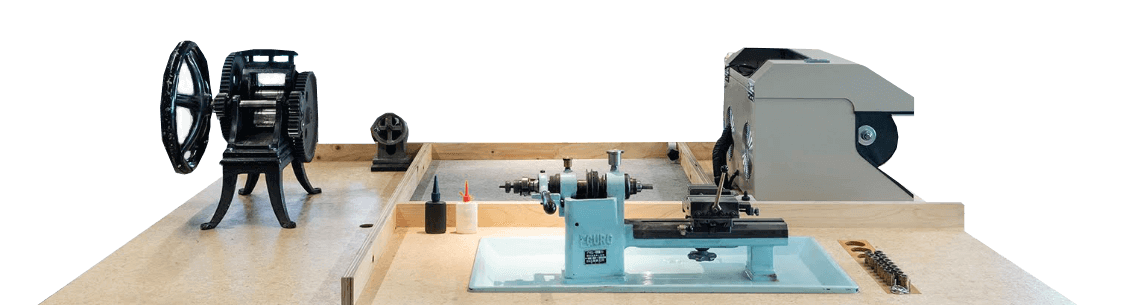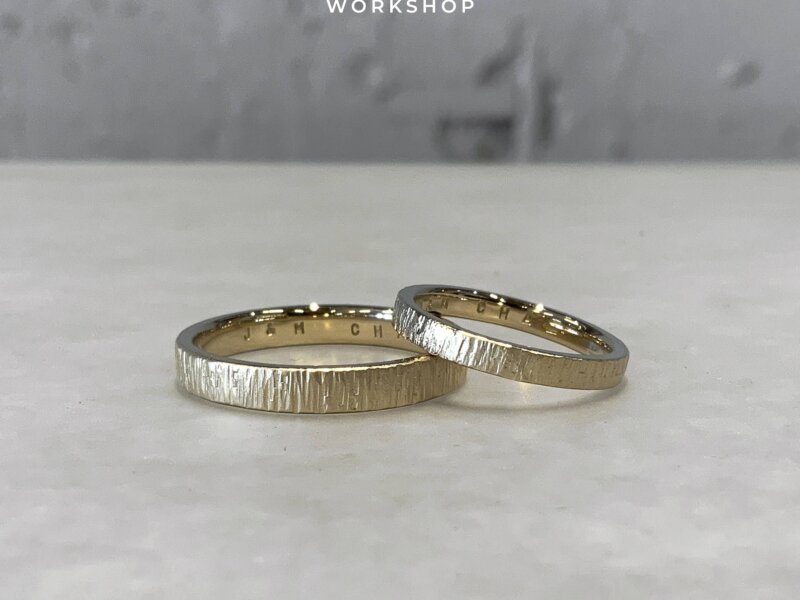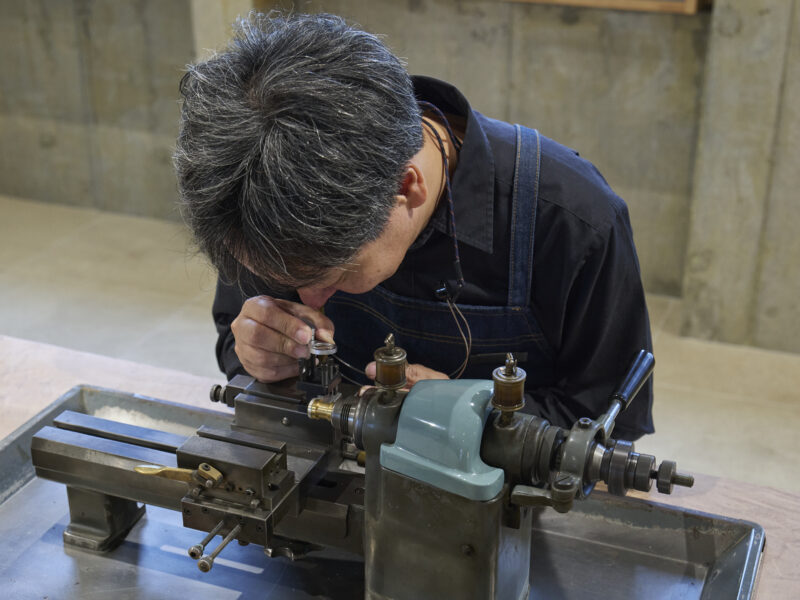
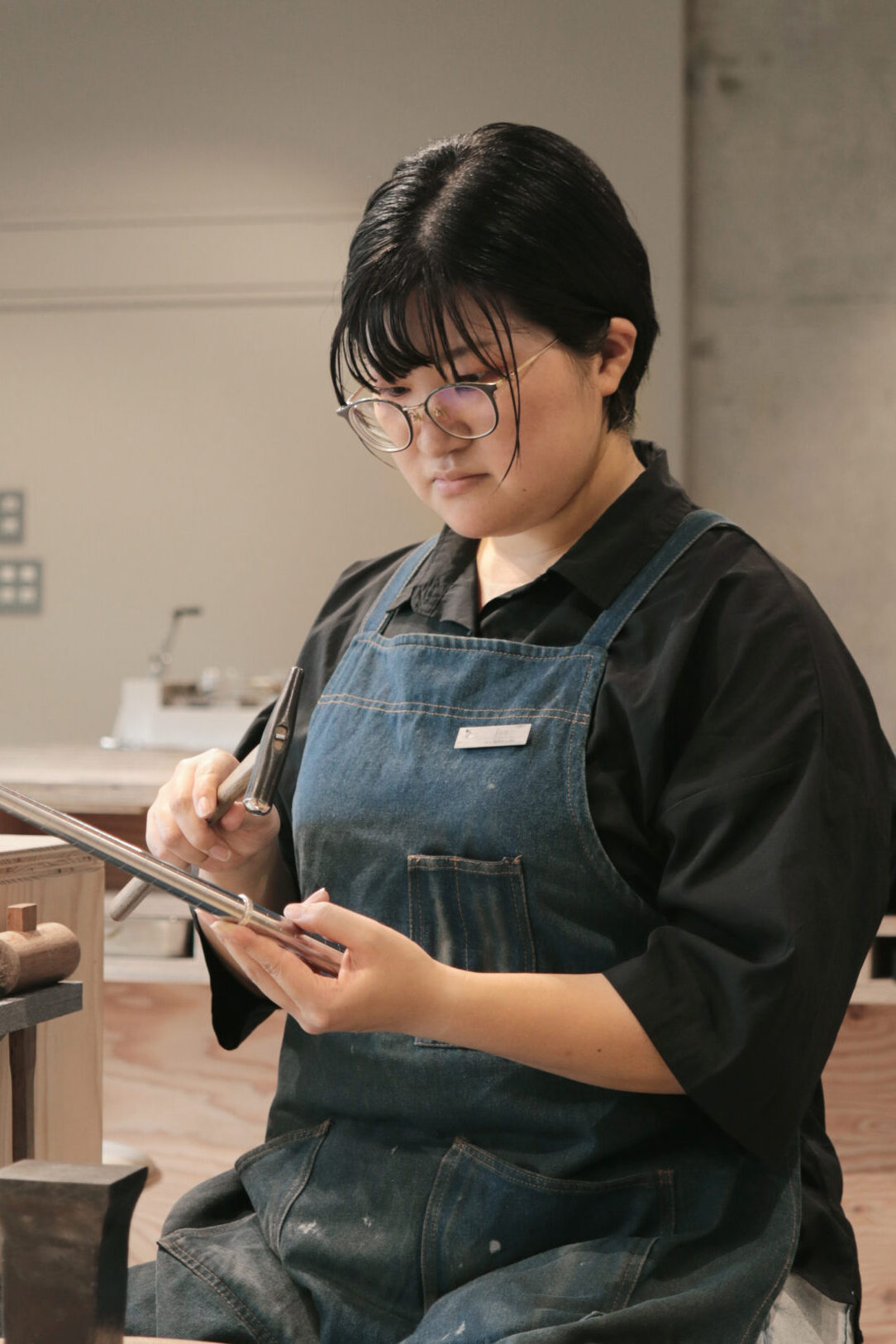
--The choice of "forging," a uniquely Japanese method, is maintained by an engraving studio established in 1970.
Differences between Japanese and Western thought in the history of the ring
The history of jewelry is the history of "sculpture and decoration" in the West and the history of "forging metals" represented by "swords and armors" in Japan.
While in Italy, CEO Fujimori learned about the glamorous jewelry culture and design diversity of the West, he was reminded of the "sincerity of Japanese craftsmanship" that has been preserved by his own roots in the Sangenjaya metal carving studio.
Freedom of "casting" and strength of "forging
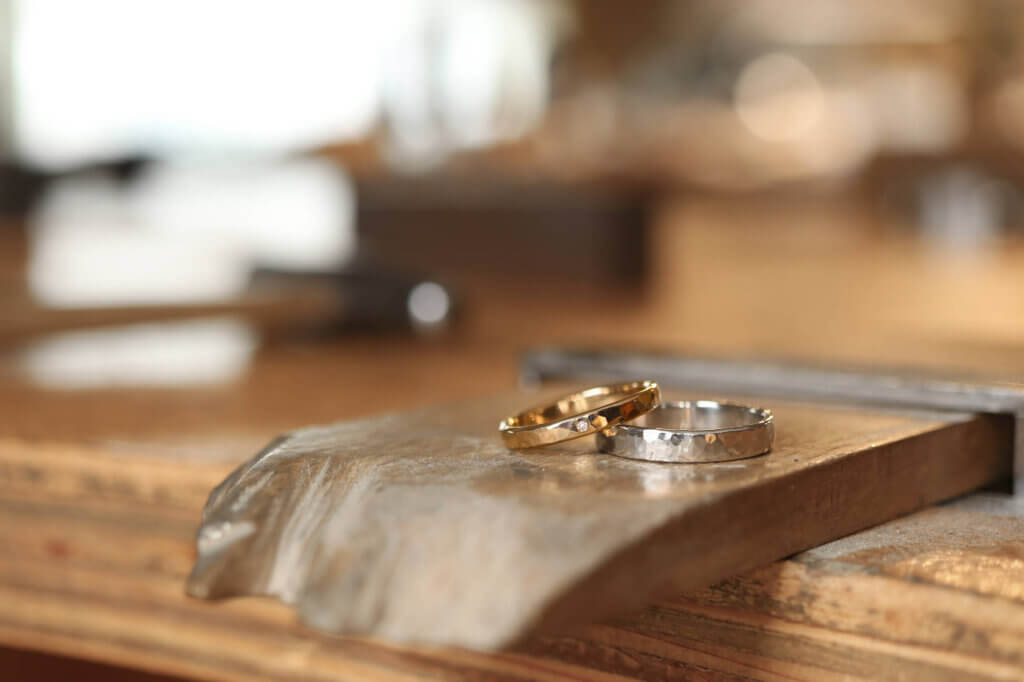
Currently, about 90% of the world's jewelry is made by the "casting" method. This method involves pouring molten metal into a mold, and is suited for mass production of complex, three-dimensional designs. It is this casting technique that has supported the splendid decorative culture of the West.
On the other hand, MITUBACI continues to protect the ancient Japaneseforging(This is a process known as "monozoa.
A lump of metal is placed in a fire, beaten up with a hammer, and repeatedly pressured to increase the density of the metal to the utmost limit. This is in the same vein as the techniques used by swordsmiths who forged famous swords in the past.
- Durability differences:. Compared to the casting process, rings made by forging are less prone to deformation and have a harder surface, making them ideally strong enough to be worn daily for a lifetime.
- Depth of Brilliance:. The metal with increased density has a unique depth and smoothness in its shine when polished.
The "distance between craftsman and customer" felt in Italy
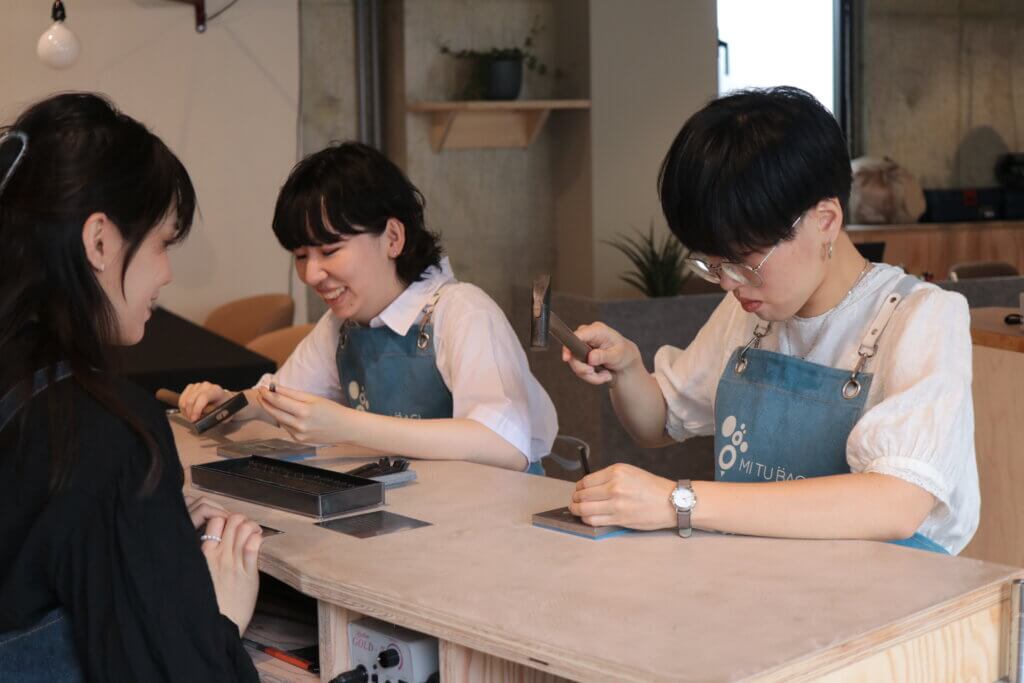
What impressed Fujimori at the Italian workshop was "jewelry as culture," where customers interact with artisans in small ateliers in the city and give shape to their own ideas.
In Japan, there was a time when people thought of jewelry as something to buy a finished brand-name product, but in Sangenjaya, we have combined Japan's unique "exquisite forging techniques" with the Western "order culture of having fun with craftsmen".
Which is better, but how it should be as a "lifetime product".
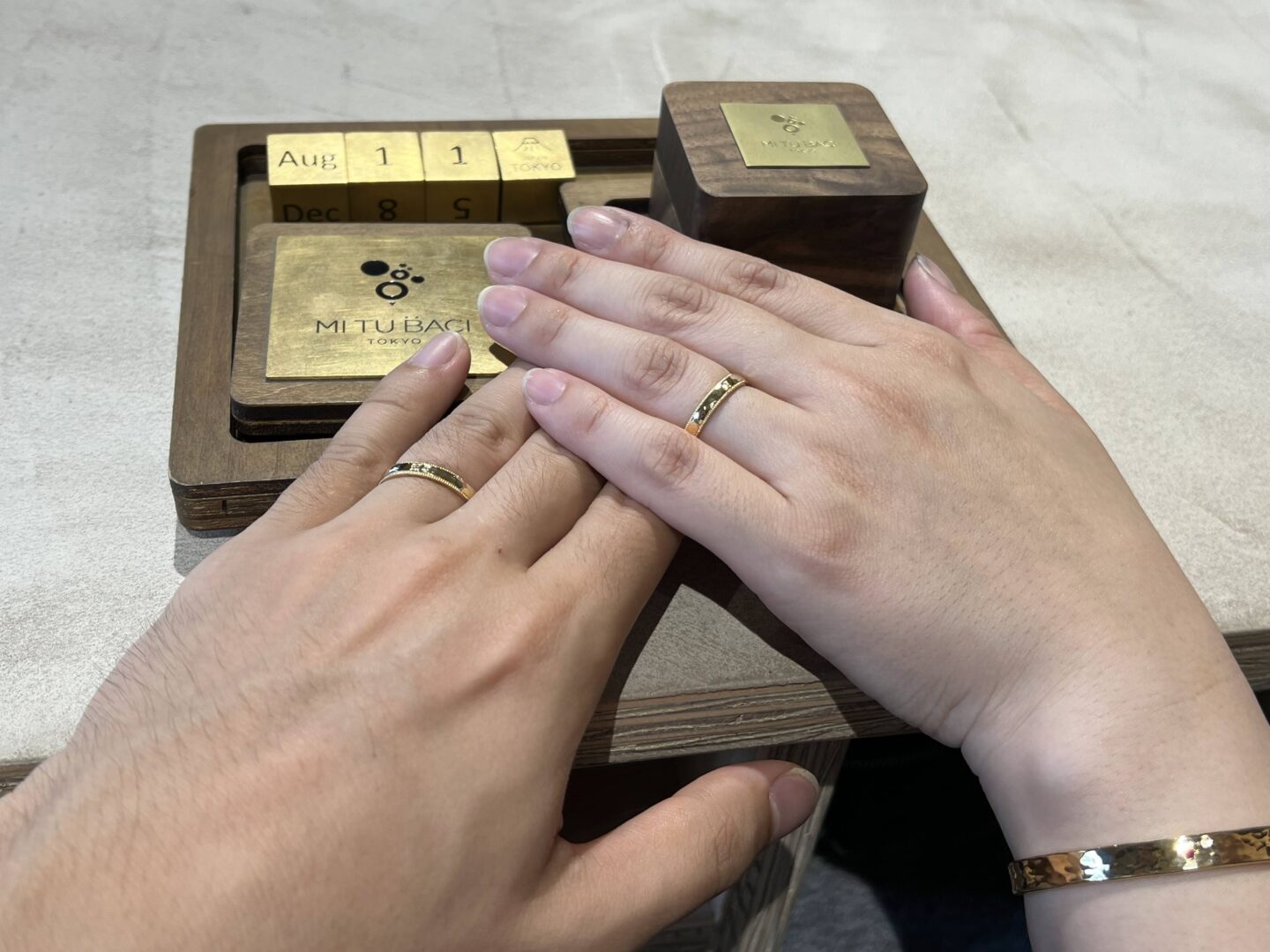
For fashion rings, where you want to enjoy delicate and delicate designs, you can take advantage of the freedom of the casting process. However, if you are looking for a "partner for life" that will continue to shine on your finger decades later without distortion, we believe that the best answer is the forging method that has been preserved by Japanese metal engraving studios.
At the workshop in Sangenjaya, the two will actually beat the metal and let you feel the change in density firsthand. A new story will begin at the place where two cultures, Japanese and Western, meet.
📊 Comparison chart: Casting vs. Forging (MITUBACI's commitment)
| Comparison items | Casting | Forging |
| Main Features | Fill the mold | Train by tapping |
| design ability | Good at complex curves and solids | Simple, powerful beauty. |
| Metal Density | Normal (air bubbles may be present) | Extremely high (airtight) |
| durability | Easily deformed by strong force | Resistant to deformation, ideal for a lifetime of use |
| roots | Western Sculpture Culture | Japanese Sword and Armor Making |
❓ Frequently Asked Questions (FAQ)
Q: Can forged rings be too simple in design?
A: Because forging is a metal forging process, the design is mainly linear and refined. At MITUBACI, customers can add hammered or other textures on the spot to create a one-of-a-kind look.
Q: Some western brands are labeled "FORGED", is there a difference?
A: Yes, we do. While there are industrial forging methods that involve pressing by machine, at MITUBACI we value "handwork forging," in which craftsmen forge metal by hand using fire. We create a fit that can only be achieved by hand according to each individual's size and wishes.
Q: I’d like to stop by during my Tokyo sightseeing trip. How far in advance should I make a reservation?
A: Due to the popularity of weekends and holidays, we recommend making reservations as soon as you decide on a date. On weekdays, we may be able to offer same-day tours, so please feel free to contact us first.
Q: Is it true that we can take the ring home the same day? Is there an extra fee?
A: Yes, you can take it home the same day, including stone setting and engraving. We do not charge any express fees because our craftsmen provide consistent production support.
About the Author / Content Reviewer
Takashi Fujimori
CEO of MITUBACI TOKYO
Inherited the metal engraving studio established in Sangenjaya in 1970. Through his jewelry training in Italy, he pursued the fusion of Western decorative culture and Japanese forging techniques. With an uncompromising approach to materials and manufacturing methods, the company continues to transmit the value of "lifetime products" from Sangenjaya to the world.